5 Types Of Air Compressors Explained Simply
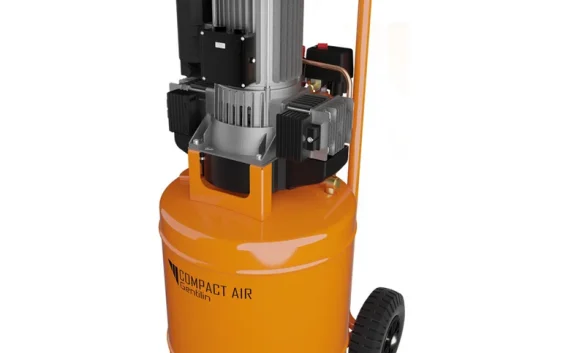
Air compressors power countless tools and machines across workshops, factories, and construction sites. Each model offers distinct features, making some better suited to heavy industrial work and others ideal for smaller tasks. Knowing the main types helps businesses select suitable equipment, control operating costs, and improve productivity. The best air compressor suppliers also help buyers find equipment that matches their specific operational requirements.
1. Reciprocating air compressors
Reciprocating air compressors use pistons to compress air inside cylinders. Their straightforward design makes them suitable for garages, workshops, and small manufacturing units. Single-stage models handle basic tasks, while two-stage models deliver higher pressure for demanding applications. These compressors suit businesses that operate pneumatic tools, spray painting equipment, and machinery. Their compact design and relatively low cost make them a practical choice for smaller operations.
2. Rotary screw air compressors
Rotary screw compressors use two rotating screws to compress air continuously. Unlike piston models, they deliver a steady airflow and support extended operating hours. Manufacturing plants, automotive workshops, and production facilities use them to power machinery throughout the day. Their efficient performance suits businesses with consistent compressed air demands. Oil-injected and oil-free models also give buyers options based on their application and air quality requirements.
3. Centrifugal air compressors
Centrifugal air compressors use high-speed rotating impellers to increase air pressure. Their design delivers large volumes of compressed air, making them suitable for large industrial facilities. Chemical plants, power stations, and major manufacturing operations use these machines for demanding applications. They perform efficiently during continuous operation and support substantial production requirements. However, their complex construction and higher initial costs make them better suited to large businesses.
4. Rotary vane air compressors
Rotary vane compressors feature a rotating rotor with sliding vanes that trap and compress air. Their simple mechanical design supports smooth operation and consistent airflow. Small factories, workshops, and automotive facilities use these compressors for various pneumatic applications. They offer a compact alternative for businesses with moderate air demands. Regular maintenance, including lubrication and vane inspection, helps maintain reliable performance and extends equipment life.
5. Scroll air compressors
Scroll compressors use two spiral shaped components to compress air. One scroll remains stationary while the other moves in a circular pattern, gradually reducing the air space. This design produces relatively quiet operation with minimal vibration. Medical facilities, laboratories, and specialised workshops use scroll compressors when low noise and clean compressed air is needed.