How A Metal Steel Fabrication Company Turns Raw Steel Into Landmarks
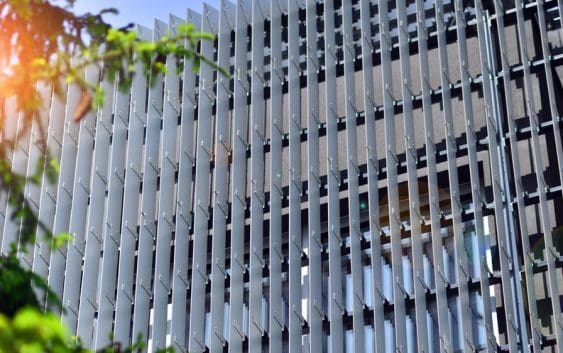
A towering bridge, an intricate stadium roof, or a striking architectural facade may begin as nothing more than sheets, beams, and structural steel. Turning these raw materials into impressive landmarks requires engineering expertise, precision cutting, advanced machinery, skilled welding, and meticulous assembly. Every component must fit perfectly before it reaches the construction site.
This guide takes a closer look at how a metal steel fabrication company turns ordinary steel into the structures that shape modern skylines and infrastructure.
Selecting the right steel materials
Every landmark starts with suitable raw materials. Fabricators evaluate steel grades, thickness, strength, and durability against project specifications. Engineers consider structural loads, weather exposure, and architectural requirements before approving materials.
Quality checks help identify surface damage and material inconsistencies before production begins. Proper steel selection supports structural stability and gives the finished project dependable performance over many years.
Turning architectural designs into technical drawings
Architectural concepts provide the visual direction, while technical drawings explain how every component fits together. Engineers use computer-aided design software to develop detailed measurements, connection points, and fabrication specifications.
Three-dimensional models help teams examine complex shapes and identify possible conflicts before manufacturing starts.
Cutting and shaping raw steel
Modern fabrication workshops use laser cutters, plasma machines, and CNC equipment to shape steel with impressive accuracy. Workers cut sheets, drill holes, bend sections, and prepare components according to technical drawings.
Advanced machinery maintains consistent dimensions and reduces material waste. Each processed component moves through quality checks before joining the next stage of production.
Welding components into strong frameworks
Welding connects individual steel sections and forms the framework of large structures. Fabricators select suitable welding techniques according to material thickness, joint design, and engineering specifications. They maintain correct temperatures, alignment, and welding parameters throughout production.
Inspection teams examine weld profiles and use suitable testing methods to identify defects that could affect structural performance.
Applying protective finishes
Steel structures face moisture, heat, pollution, and changing weather conditions. Protective coatings help prevent corrosion and maintain surface quality. Fabricators use galvanizing, industrial painting, and specialized finishing systems according to environmental requirements. Proper surface preparation and coating thickness support long term durability while giving architectural steelwork an attractive final appearance.
The final stage connects workshop production with real world construction. Transport teams deliver fabricated sections, while installation crews position beams, columns, and connections according to engineering plans. Cranes and specialized lifting equipment support accurate assembly. Final inspections confirm alignment, connection quality, and structural compliance.