The Coolest Applications You Never Knew Water Jet Services Could Do
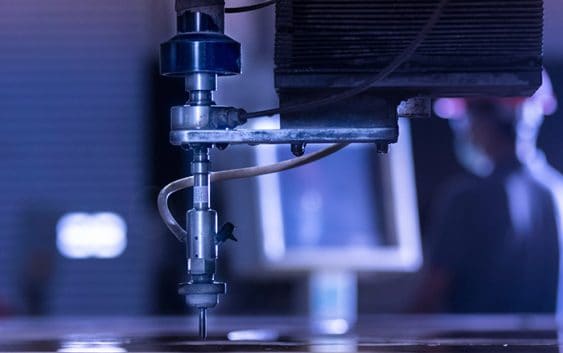
Cutting technology becomes surprisingly creative when high-pressure water meets abrasive particles. The resulting stream slices through tough materials with impressive precision, opening possibilities across architecture, manufacturing, art, restoration, and custom fabrication. Intricate lettering, detailed patterns, and complex machine parts all become realistic options.
Today, water jet services support projects that demand accuracy without excessive heat across diverse modern industries.
Artistic metalwork
Artists use water jet cutting to shape steel, aluminum, brass, and copper into striking wall panels, signs, screens, and sculptures. Intricate patterns emerge with crisp edges and fine details. Designers can reproduce logos, geometric motifs, floral forms, and custom lettering with impressive consistency. The process also handles delicate outlines that traditional cutting methods struggle to achieve.
Custom stone designs
Stonework gains fresh possibilities through precise water jet cutting. Marble, granite, porcelain, and engineered stone can form detailed medallions, borders, mosaics, and decorative inlays. Interior designers use these pieces for floors, countertops, feature walls, and fireplace surrounds. Complex curves and repeated motifs fit together neatly, giving each installation a refined and distinctive appearance.
Architectural screens
Decorative screens add privacy and visual interest to interiors, patios, offices, and commercial spaces. Water jet cutting produces detailed openings across metal sheets, stone panels, and other suitable materials. Designers select patterns that suit the surrounding style, from bold geometry to delicate organic forms. These screens also serve as room dividers, railing inserts, and feature panels.
Custom furniture details
Furniture makers use water jet technology for memorable accents and functional components. Metal tabletops, chair brackets, decorative inserts, cabinet panels, and shelving parts gain precise shapes without rough manual cutting. Designers can match repeated pieces accurately across a collection. This flexibility supports bespoke furniture with distinctive details that give each piece a polished identity.
Industrial components
Factories use water jet cutting for machine parts, brackets, gaskets, templates, and prototype components. The cold cutting process avoids the intense heat associated with several thermal methods, helping protect material characteristics around the cut. Manufacturers can also test unusual designs before larger production runs. This makes water jet work useful for development, repair, and specialized fabrication.
Custom signs gain personality through precise lettering, logos, symbols, and layered designs. Water jet cutting handles many materials, allowing businesses, studios, hotels, and public spaces to develop distinctive displays. Detailed edges give signs a professional finish, while custom patterns support branding across indoor and outdoor settings. The same technology also produces plaques, address markers, and decorative panels.